What Makes US Diagnostics Center Your Go-To for Relationship Testing?
What Makes US Diagnostics Center Your Go-To for Relationship Testing?
Blog Article
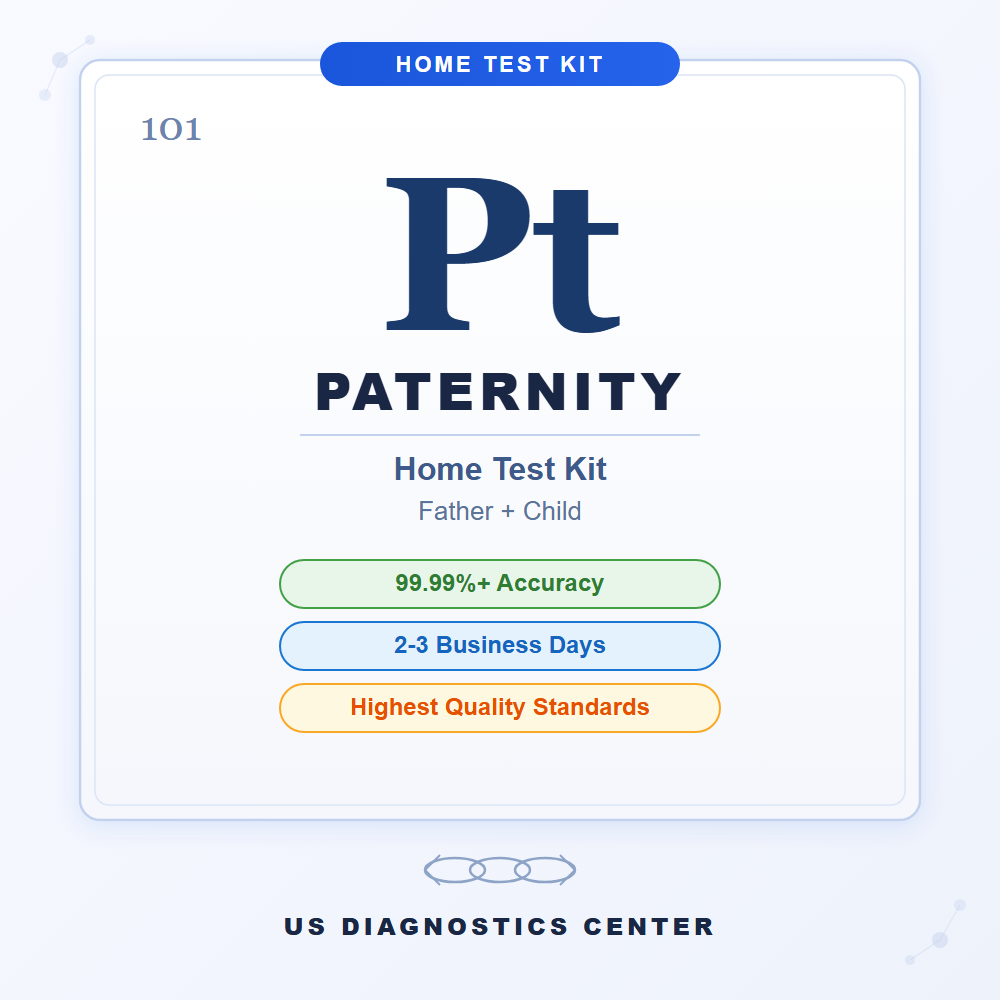
The concept of relationship testing includes several DNA examinations intended to identify biological associations between individuals. This type of service becomes essential in sensitive circumstances like paternity claims, understanding family bonds, or confirming a child’s heritage. The procedure for testing tends to be uncomplicated, with results often being utilized in legal, medical, or personal situations. With an increasing array of testing locations, including alternatives such as the , those in need of relationship clarity can locate dependable help nearby. Awareness of the differing types of relationship tests is vital for making educated choices this website. When considering relationship testing, it's important to know what options are at your disposal. Various types of tests cater to different needs, with the most common including paternity DNA testing, sibling DNA testing, and grandparent DNA testing. Each test employs a similar methodology but is tailored to answer specific questions about familial connections. Paternity DNA testing is the most widely recognized form, determining whether a man is the biological father of a child. The test typically includes a sample from the child and the alleged father, which can be collected through a simple cheek swab. These tests are highly accurate, often providing results that are 99.99% definitive if paternity is confirmed. Sibling DNA testing can establish whether two individuals share the same biological parents. This test is recommended when direct paternity testing isn't feasible, or for half-siblings. Similarly, grandparent DNA testing can confirm if a grandparent is a biological ancestor of a child, useful in cases where parental information may be unknown or disputed. The accuracy of these tests depends on the number of genetic markers analyzed and the relationships being studied. Ensuring that samples are collected professionally by a certified lab can enhance the results' reliability. It's crucial to consult with a professional if you are unsure which testing type suits your needs. Undergoing relationship testing is a simple and private way to uncover your familial ties. Initially, those interested need to select a credible testing provider. After the appointment is arranged, the next phase is sample collection — which generally consists of a quick and non-invasive buccal swab from the inner cheek. In rare cases, blood samples may be needed depending on the specific testing requirements. The collected samples are then sent off to an accredited laboratory for thorough analysis. Testing results usually undergo a detailed review, taking anywhere from a few days up to a couple of weeks to process, depending on the lab's operational speed. Additionally, many providers grant online access to the results, prioritizing user confidentiality. The final report will detail the probabilities of relationships, helping individuals gain a deeper understanding of their familial links. Costs associated with relationship testing can differ significantly depending on the test type, provider, and location. For instance, basic paternity tests typically range from $100 to $500, while tests for siblings or grandparents might be priced even higher. When selecting a provider, it's crucial to weigh the cost against factors such as the lab's accreditation, the reliability of their results, and customer feedback to ensure you make an informed choice. Before making a decision, it's wise for consumers to ask about the complete costs involved, factoring in any potential hidden charges for consultations or extra services. Some laboratories provide financing options or payment plans to alleviate financial stress. Exploring reviews online and verifying accreditations can further help in identifying laboratories that consistently yield dependable outcomes. For additional details on different DNA tests and their uses, please refer to the article on DNA relationship testing. Selecting the right relationship testing provider is essential for accurate diagnostics and peace of mind. Verify various factors before making your decision.Steps to Conduct a Relationship Test
Types of Relationship Testing Available
Sibling and Grandparent DNA Testing
The Testing Process: What to Expect
Understanding Costs and Choosing a Provider
 US Diagnostics CenterUS Diagnostics Center guide
Tips for Choosing the Right Testing Service
relationship testing
Frequently asked questions
What is relationship testing?
Relationship testing is defined as a DNA testing process designed to ascertain biological connections among individuals. This encompasses paternity tests, as well as evaluations of sibling and grandparent relationships.
How do I choose a relationship testing provider?
Choosing a suitable provider requires diligent research. Check for accredited status, read reviews from past customers, ask about their testing procedures, and ensure they have robust privacy safeguards in place.
How much does relationship testing cost?
The expenses associated with relationship testing can vary widely based on the specific test conducted. Costs typically fall between $100 and more than $500, influenced by the test's complexity and details involved.
How accurate is a paternity test?
A paternity test generally boasts over 99.99% accuracy when paternity is confirmed, making it one of the most trustworthy methods available for establishing biological relationships.
What samples are required for testing?
Most relationship tests are conducted using cheek swab samples, although blood samples may be required in specific cases. This collection method is uncomplicated and non-invasive.
In the realm of relationship testing, it’s vital to emphasize the importance of result verification, clear communication, and ensuring that the testing approach aligns with your operational goals and timelines. Be cautious of ambiguous guarantees that lack a structured measurement approach.
It is advisable to ask how results will be tracked, what elements are included versus additional costs, and how the provider adapts their strategies if results plateau. A written agreement outlining the scope of work before payment serves to protect both parties involved.
Grasping the concept of relationship testing is essential for those dealing with family-related doubts. There are numerous choices out there, allowing individuals to confidently seek clarity regarding their personal relationships. Trustworthy services combined with precise outcomes can greatly assist in settling conflicts and reaffirming family ties.
In the end, whether you are looking for paternity information or exploring family links, making informed decisions will guide you to a more rewarding resolution. Arm yourself with relevant knowledge and support as you contemplate these significant assessments.